Product Introduction
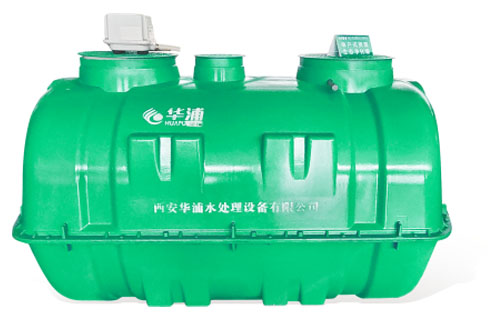
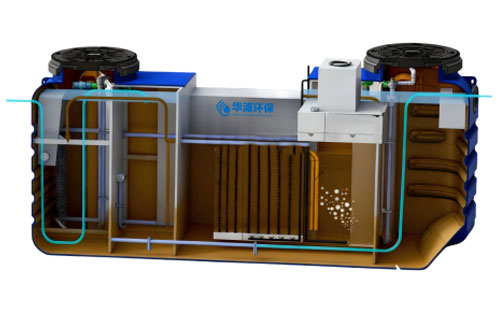
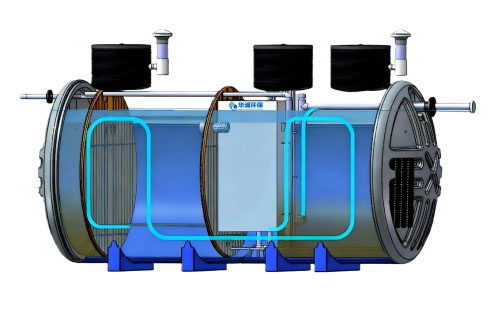
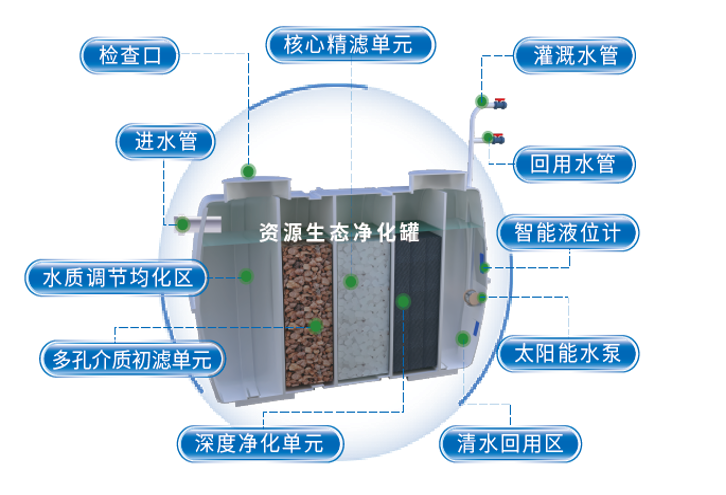
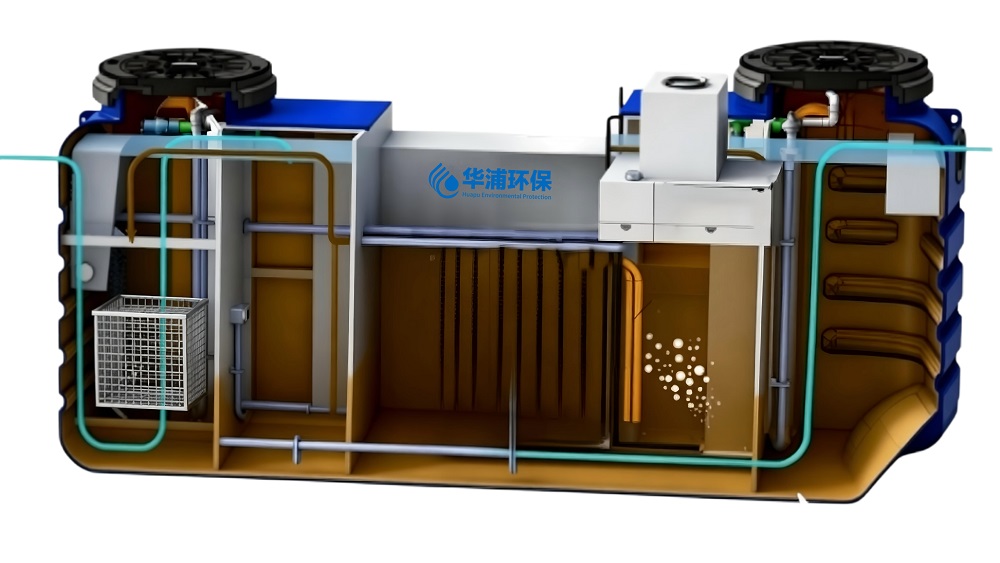
The resourceful sewage treatment and purification tank is an integrated treatment equipment designed for decentralized sewage, integrating sewage collection, biochemical treatment, deep purification, disinfection, and resource reuse functions. Through a combined process, pollutants such as COD, ammonia nitrogen, total nitrogen, and total phosphorus in water are efficiently removed. The treated wastewater can stably meet discharge or reuse standards and can be directly used for agricultural irrigation, green irrigation, road flushing, etc., achieving on-site consumption and resource utilization of sewage. The equipment has high integration, small footprint, and easy installation, suitable for the operation and maintenance needs of decentralized scenarios, without the need for complex civil engineering and long-distance pipeline laying.
Process Selection
1. Smart control: aeration+sludge reflux, microbial activity ≥ 95%;
2. Dynamic optimization: precise control of key parameters, strong system impact resistance;
3. Basic zero discharge: sludge reduction ≥ 90%, basically achieving zero discharge;
4. Ecological integration: fully buried (burial depth ≤ 1.5m), with a ground greening rate of 95%;
5. Intelligent diagnosis: achieve rapid fault response within 2 hours through full process diagnosis;
6. Energy conservation and consumption reduction: The photovoltaic grid complementary mode drives energy consumption to decrease by over 80%.
Equipment Selection
1. Scale selection: Single unit (1-5 m³/d, suitable for 1-3 households), multi unit (5-20 m³/d, suitable for small village gatherings), centralized (20-100 m ³/d, suitable for villages or scenic spots), selected based on daily average sewage volume and water quality concentration.
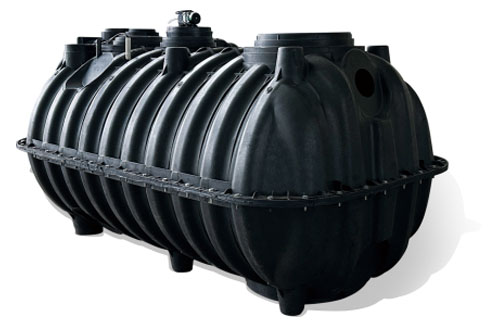
2. Material selection: The tank body is made of PE, FRP, stainless steel or carbon steel anti-corrosion materials, selected according to budget, corrosion resistance requirements and usage environment.
3. Core configuration selection: standard grille, regulating tank, biochemical zone, sedimentation zone, disinfection device, and electrical control system; Optional sludge return, online monitoring, intelligent control cabinet, and insulation layer.
4. Process adaptation selection: Select the corresponding biochemical process and advanced treatment module according to the effluent requirements (reuse/discharge) and water quality complexity.
5. Environmental adaptation selection: Insulation layers should be installed in low-temperature areas, and low maintenance and unmanned equipment should be preferred in remote areas.




 CN
CN

 National Service Hotline:400-611-6861