Product Introduction
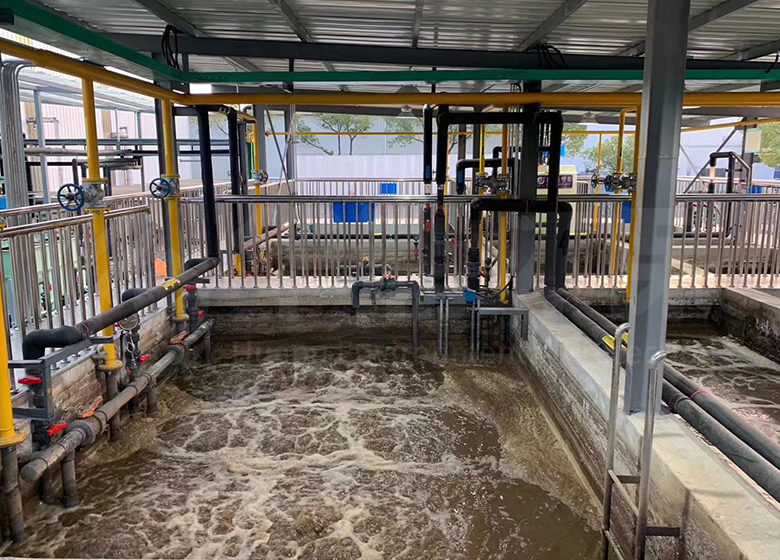
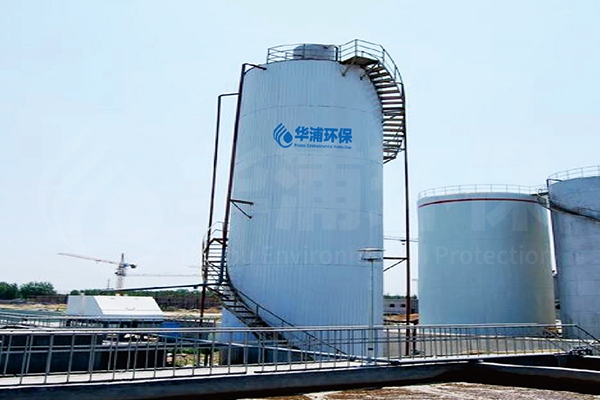
1.The process technology principles of improved UASB/IC/EGSB anaerobic reactors used in the treatment of aquaculture and slaughter wastewater are mainly based on the decomposition of organic matter by anaerobic microorganisms under anaerobic conditions.
2.Using independently developed proprietary anaerobic bacteria, it can efficiently degrade organic matter at a minimum ambient temperature of 8-10 ℃.
3.Optimize the internal structure, increase internal reflux facilities, improve the concentration of activated sludge in the system (sludge concentration can reach 30-40 g/L), reduce land occupation and infrastructure investment.
4.The high-efficiency low-temperature UASB anaerobic reactor combined with intelligent operation and maintenance management system can automatically adjust the internal reflux ratio according to the concentration of sewage inflow, making operation and maintenance simple, efficient and stable.
Process Selection
1. UASB Upflow Anaerobic Sludge Bed Process: A classic and efficient anaerobic process suitable for most medium to high concentration organic wastewater.
2. IC internal circulation anaerobic reactor process: with higher processing load, suitable for high concentration, large water volume food, brewing, and chemical wastewater.
3. EGSB expanded granular sludge bed process: suitable for low temperature, low concentration, and difficult to degrade organic wastewater.
4. Anaerobic+Aerobic Combination Process: Anaerobic pretreatment+A/O/MBR to achieve high standard nitrogen and phosphorus removal.
5. Multi stage series anaerobic process: suitable for difficult to degrade wastewater such as ultra concentrated wastewater and leachate from garbage.
Equipment Selection
1. Reactor type selection: UASB, IC, EGSB, AF anaerobic filter, ABR anaerobic baffle reactor.
2. Structural material selection: Carbon steel anti-corrosion, stainless steel, fiberglass, concrete anti-seepage structure.
3. Selection of supporting systems: water distribution system, three-phase separator, biogas collection system, effluent circulation system, insulation device.
4. Scale and load selection: Determine the reactor volume and upward flow rate based on the influent COD concentration and water volume.
5. Control and monitoring selection: temperature pH、ORP、 Online monitoring of biogas flow, automatic temperature control and reflux control.




 CN
CN

 National Service Hotline:400-611-6861