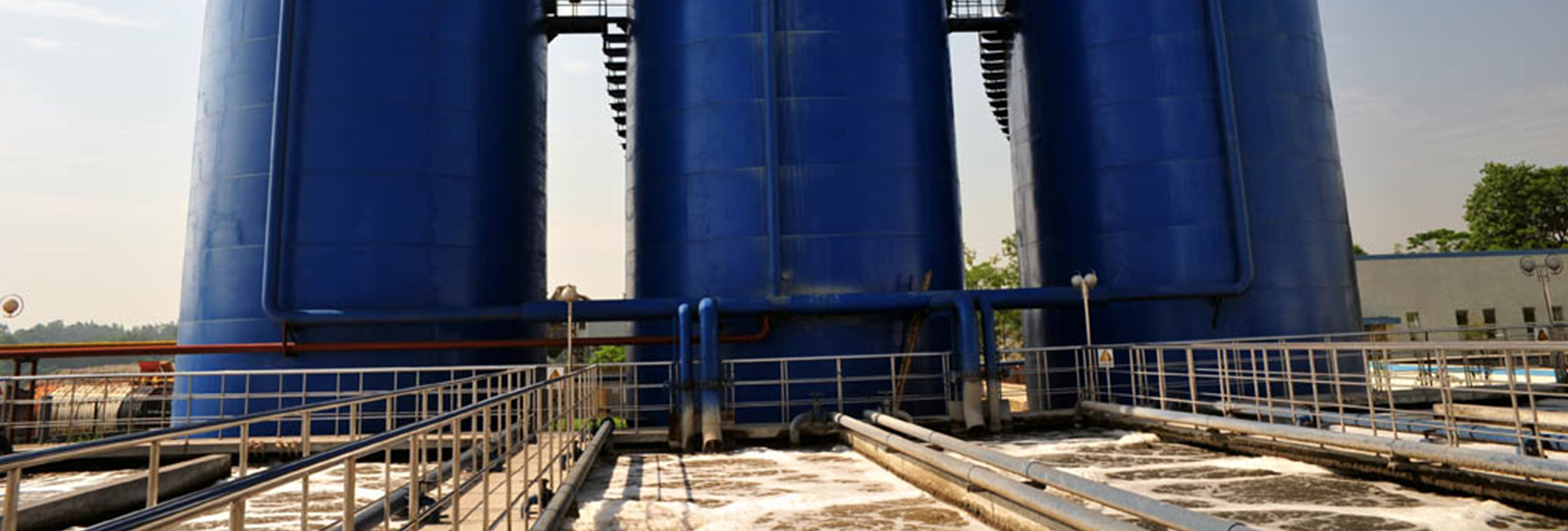
Technical advantages of high-efficiency anaerobic reactor (improved UASB/IC/EGSB reactor):
Efficient processing: The volumetric load can reach 10-20kg (COD)/(m³·d);
Energy recovery: The generated methane gas can be used as renewable energy, bringing additional economic benefits to enterprises;
Energy saving and consumption reducing: adopting anaerobic treatment process reduces oxygen supply demand and saves energy consumption of aeration equipment;
Low sludge production: Low sludge production and high sludge stability, easy to handle;
Strong adaptability: capable of treating wastewater of different concentrations and compositions, especially for organic wastewater, with more significant treatment effects.
Technical advantages of improved biological aerated filter (BAF):
Efficient removal of pollutants: effectively removing organic matter, suspended solids, ammonia nitrogen and other pollutants to meet emission standards or reuse water quality requirements;
Strong resistance to impact loads: Aerated biofilters are insensitive to changes in organic and hydraulic loads, and there is no sludge expansion problem;
High oxygen transfer efficiency: The utilization rate of oxygen can reach 20%~30%, and the aeration rate is lower than that of general biological treatment;
Easy to film and fast to start: Short debugging time, generally only 7-12 days, no need to inoculate sludge, using natural film domestication;
Smart and energy-saving: The system can perform online detection of water quality, water quantity, and dissolved oxygen concentration, and adjust the aeration duration to control the oxygen supply of the fan, achieving intelligent operation, energy saving, and consumption reduction;
Modular structure: flexible combination according to actual needs.




 CN
CN