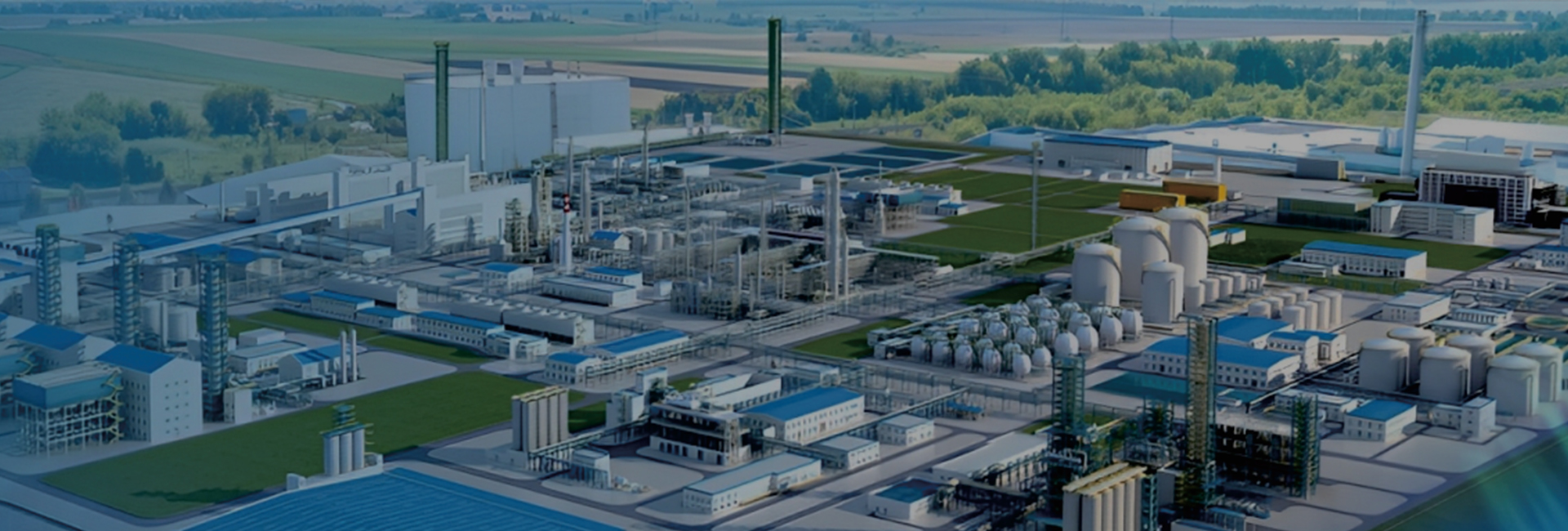
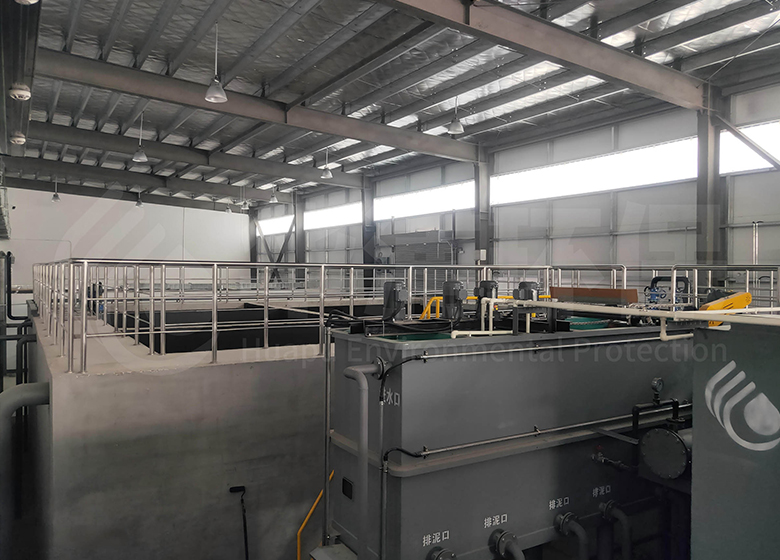
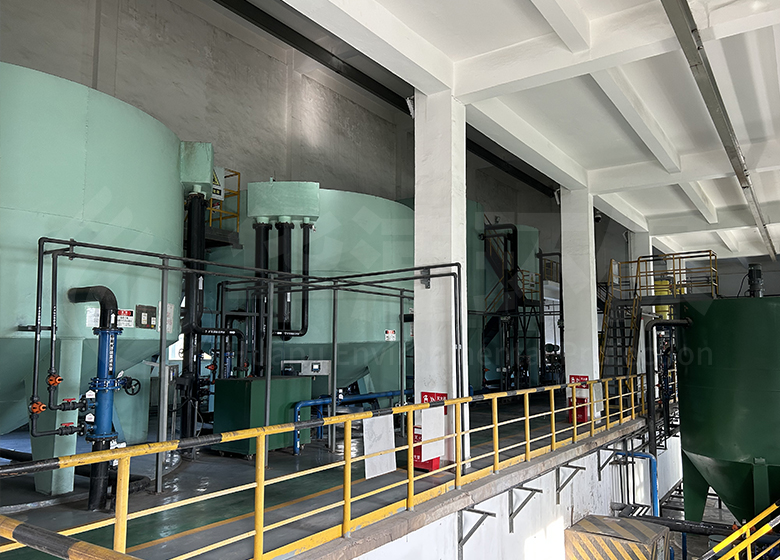
The wastewater in industrial parks primarily originates from the waste water and waste liquid generated during the production process, mainly containing industrial production materials, intermediate products, and pollutants produced during the production process that are lost with the water. In addition to conventional pollutants such as COD, nitrogen, phosphorus, and suspended solids, the wastewater in industrial parks also contains toxic and harmful pollutants that are difficult to treat by conventional biological methods, such as heavy metals, oil contaminants, and refractory organics.
Due to the wide variety of industrial types within industrial parks, and each type consisting of multiple stages of processes, the resulting wastewater exhibits significant differences in properties. Its main characteristics include: (1) complex wastewater composition and high pollutant concentration; (2) certain toxicity and poor biodegradability; and (3) unstable water quality.
Ozone catalytic oxidation technology
Electrochemical multi-dimensional catalytic oxidation technology directly degrades organic pollutants through electrode reactions under the influence of an external electric field, or utilizes the catalytic activity of electrodes or catalytic materials to generate a large number of highly oxidizing free radicals for the degradation of organic pollutants.

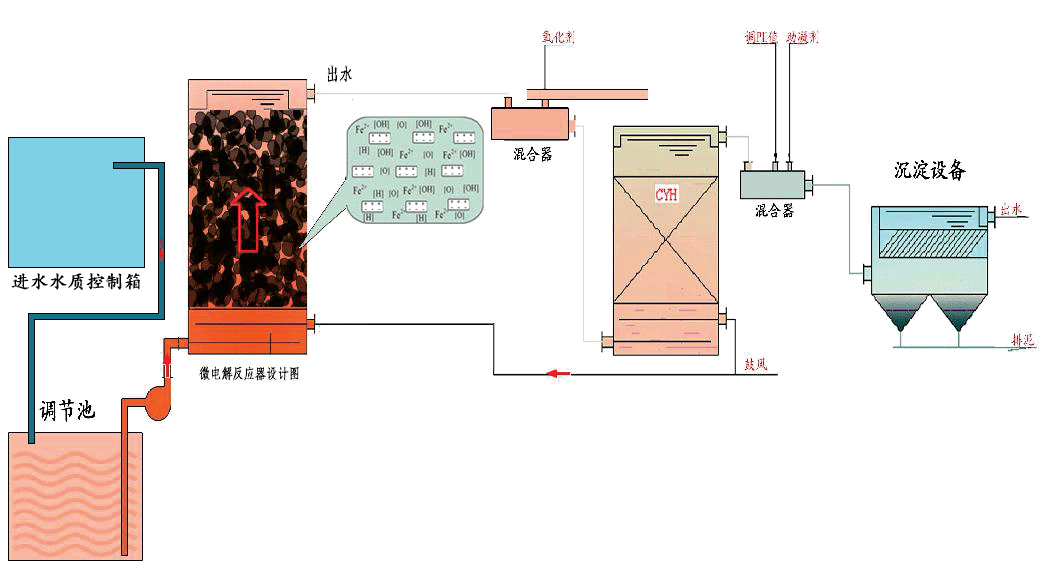
Iron carbon microelectrolysis technology
The iron carbon microelectrolysis technology utilizes the principle of metal corrosion to form a primary battery through a composite material of iron and carbon, and electrolyzes wastewater. In the absence of electricity, the iron carbon filler itself generates a potential difference of about 1.2V, forming countless micro battery systems that use wastewater as the electrolyte to electrochemically degrade organic matter in the wastewater through discharge reactions at the anode and cathode.
 </p
</p




 CN
CN