CN

Product Center

Green Innovation · Scientific and Technological Development · Industrial Responsibility · Joint Construction of Civilized Ecology

PY prefabricated bioreactor tank

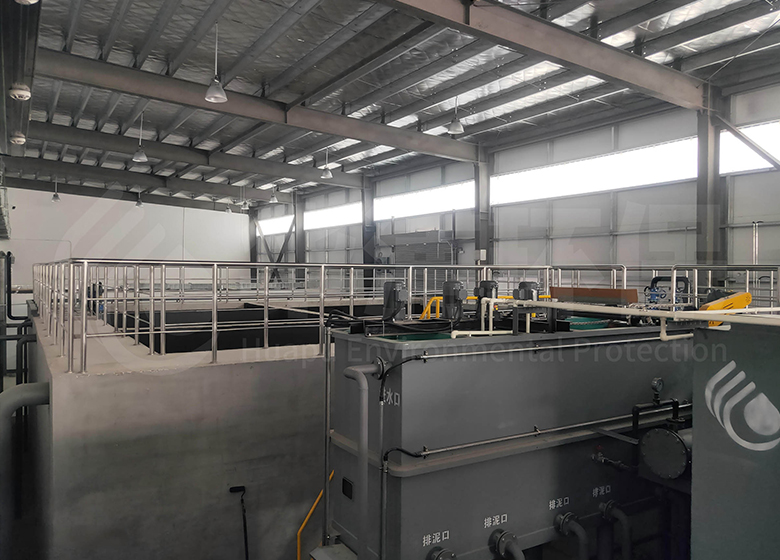
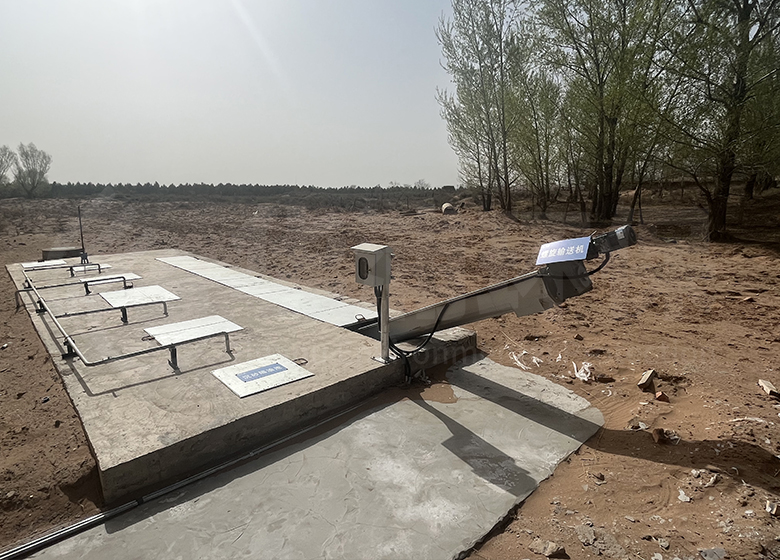
The PY prefabricated bioreactor tank is mainly suitable for the construction of new sewage treatment plants, upgrading and transformation of sewage plants (upgrading from Level B to Level A), industrial wastewater treatment (chemical, printing and dyeing, food, brewing, etc.), and centralized sewage treatment in industrial parks. This component is particularly suitable for projects with tight land use, tight construction schedules, and the need for rapid delivery, as well as situations that require phased construction and flexible expansion with changes in water quality and quantity; In emergency sewage treatment projects, it is often used as the core biochemical unit of modular rapid installation systems.

National Service Hotline:400-611-6861
Product Introduction

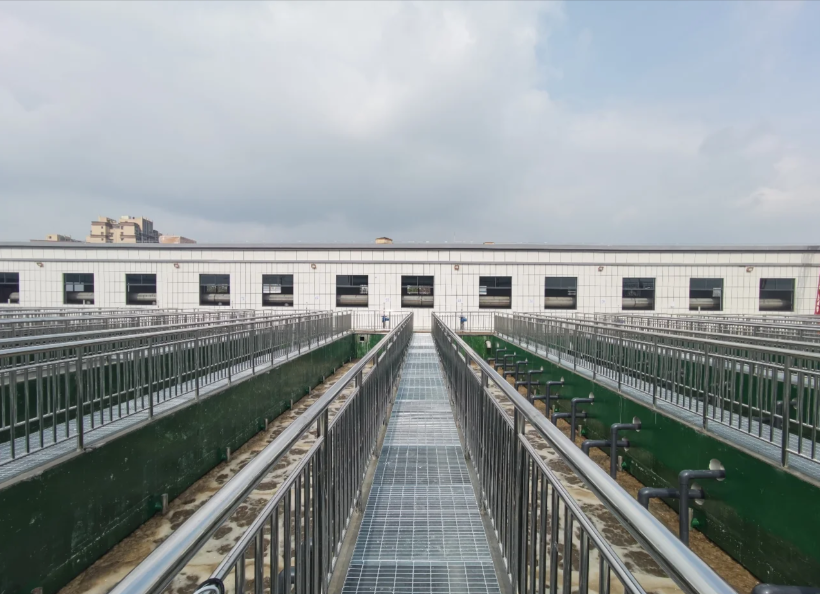
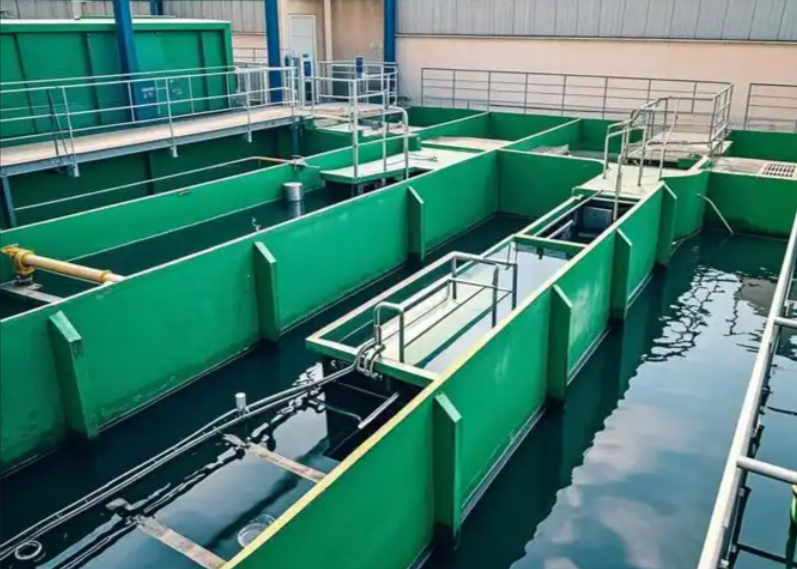
The PY prefabricated bioreactor is a sewage treatment core biochemical reaction unit designed with a modular and prefabricated assembly structure. It organically couples multiple functions such as aeration and oxygen supply, air lift circulation, biochemical reaction, and sedimentation separation, mainly relying on activated sludge process to achieve organic matter degradation and nitrogen and phosphorus removal. The pool body is prefabricated in a factory using high-strength and corrosion-resistant materials such as enamel steel plates or hot-dip galvanized steel structures, and assembled on-site in a "building block" manner, replacing the traditional non-standard cast-in-place mode of reinforced concrete.

Technical Advantage
short construction period
The construction period of traditional reinforced concrete sewage treatment plants is about 12-24 months. The PY prefabricated biological reaction tank can be completed within 30 days with a scale of 10000 tons through factory prefabrication and modular assembly. It is suitable for urgent projects such as upgrading and emergency sewage treatment.
Flexible expansion and standardized production
By using standardized component factory prefabrication, it is possible to flexibly expand or construct in stages according to actual needs, effectively solving the problem of difficult transformation or expansion of traditional sewage plants after completion.
Stable water output
Stable and compliant removal of COD, ammonia nitrogen, total nitrogen, total phosphorus, and suspended solids can be achieved, and the effluent quality can meet the requirements of Class A discharge standards.
Process Selection

1. Select according to the requirements of effluent quality: A/O process module is selected based on the first level B standard for effluent requirements; The first level A standard for effluent requires the use of A ²/O process modules; For effluent requirements of Class IV or above, A ²/O+MBR membrane process module or A ²/O+biological packing enhanced process module shall be selected.

2. Selection based on processing scale: For small projects with a daily processing capacity of less than 500m ³, a single integrated assembled reaction tank is selected; For medium-sized projects with a daily processing capacity of 500-5000m ³, a multi module parallel combination is selected; Large projects with a daily processing capacity greater than 5000m ³ adopt a multi group modular pool partition layout.

3. Selection based on inlet water quality: Standard biological reaction tanks are selected for conventional domestic sewage; High concentration organic wastewater is treated with an enhanced anaerobic pretreatment module; The enhanced denitrification and phosphorus removal process module is selected for wastewater with high nitrogen and phosphorus content; Industrial wastewater with poor biodegradability needs to undergo physical and chemical pretreatment before entering the biological reaction tank.

4. Selection based on installation conditions: Ground installation is suitable for areas with high groundwater levels and poor geological conditions; Semi buried installation balances insulation and maintenance convenience; Fully buried installation is suitable for scenic spots, residential areas, and other places with high landscape requirements.


Equipment Selection

Parameter Description and Selection Points

The modular design of processing scale supports flexible configuration according to the target sewage volume, with commonly used processing capacity covering the range of 500~20000m ³/d. During actual selection, the peak coefficient should be calculated and multiple sets of parallel modular units should be configured

The material of the pool structure is enamel steel plate assembly (high-strength, corrosion-resistant, suitable for enamel assembled tanks); Hot dip galvanized steel sheet (carbon steel hot-dip galvanized anti-corrosion, high cost-effectiveness); Stainless steel (suitable for strong corrosion conditions); Special steel+epoxy coating (with expandable acid and alkali resistance). Prefabricated corrugated steel plate module can withstand a high water pressure of 5m (approximately 49000Pa)

Pipeline and interface materials: Stainless steel or UPVC should be used for process pipelines, and rubber sealing strips or specialized sealants should be used for flange interfaces to ensure no water leakage

Micro porous aerator for aeration system (oxygen utilization rate of 20%~30%, suitable for efficient aerobic degradation); Perforated aeration tube (simple structure, suitable for ordinary aeration conditions). Customized 'Intelligent Group Aeration Control System' based on specific working conditions to reduce aeration energy consumption

The gas lift reflux system utilizes the aeration exhaust gas in the aerobic zone, which is collected by the gas collection system to form a gas lift effect. The mixed liquid is refluxed to the anoxic zone without power, without the need for additional reflux pumps to achieve energy saving

The three-phase separator is located at the top of the aerobic zone, achieving effective separation of solid, liquid, and gas. After separation, the gas is recovered for gas lift, and some sludge settles and flows back

The fully automatic PLC control system of the electronic control system monitors key indicators such as DO, MLSS, and water temperature in real-time, and supports remote monitoring; Outdoor protection level of control cabinet ≥ IP54

The installation method adopts the "prefabricated components on-site hoisting assembly connection" mode, and the pool wall connection method includes bolt connection, socket rapid assembly, and local cast-in-place concrete, etc

Follow the standards GB18918-2002 "Pollutant Discharge Standards for Urban Sewage Treatment Plants", GB50014-2021 "Outdoor Drainage Design Standards", and CECS 231:2007 "Technical Specification for Deformation Joints of Concrete Structures in Water Supply and Drainage Engineering"